
For nine seasons (and a couple more years of revival), Mulder and Scully investigated everything from alien abductions and government conspiracies to monsters, occult rituals, and things that defied any reasonable explanation. But as much as I enjoyed the show’s sprawling mythology, some of my favorite episodes had very little to do with the grand alien conspiracy.
What made The X-Files so special was its ability to turn an otherwise ordinary place into something profoundly unsettling. A quiet little town could conceal a horrifying secret. A seemingly harmless teenager could possess terrifying powers. A ridiculous story about cockroaches could become a surprisingly clever commentary on mass hysteria. And sometimes, the strangest thing about an investigation wasn’t the monster, but the people surrounding it.
For Halloween, I’ve picked ten of my favorite episodes and paired them into five twisted double features. These aren’t necessarily the scariest episodes, nor are they ranked from best to worst. They’re the ones I remember most fondly for their atmosphere, their characters, their wonderfully twisted ideas, and their ability to make me laugh one moment and feel deeply uncomfortable the next.
So dim the lights, grab some Halloween candy, and remember: trust no one.
The X-Files Gets Weird
One of the things I always appreciated about The X-Files was its willingness to make fun of itself. For a show built around unexplained phenomena, gruesome murders, and existential paranoia, it could be surprisingly funny. And not just in the occasional exchange between Mulder and Scully. Some episodes embraced the absurd so completely that they became something closer to dark comedy than traditional science fiction.
These two episodes are perfect examples. Both take ideas that could easily have been played as straightforward horror and turn them into something delightfully eccentric. Beneath the jokes, however, there’s some rather sharp commentary about prejudice, conformity, irrational fear, and our tendency to see monsters wherever we expect to find them.
Humbug
Season 2, Episode 20
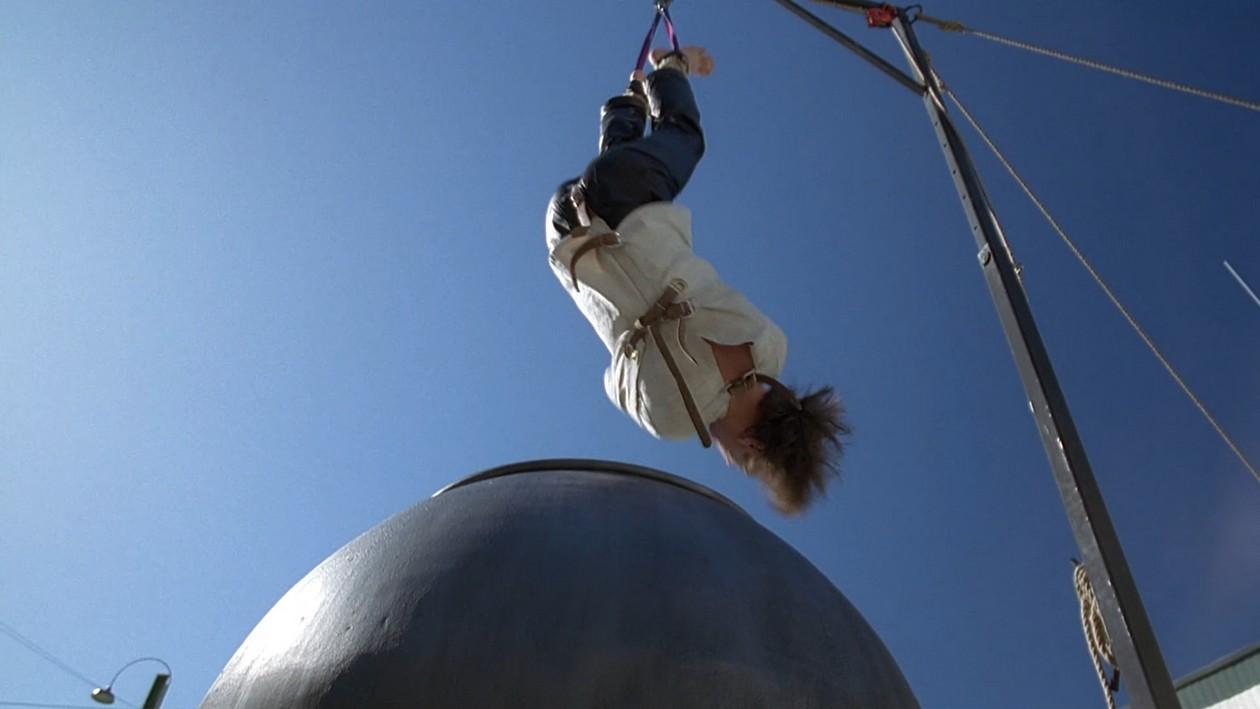
Mulder and Scully travel to a Florida community populated by former carnival sideshow performers to investigate a series of mysterious attacks. It’s a place where the unusual is perfectly ordinary, and where two impeccably dressed FBI agents might actually be the strangest people in town. Naturally, Mulder’s fascination with the bizarre doesn’t make him particularly popular with the locals.
What I love about Humbug is how brilliantly it turns the entire concept of normality upside down. The episode is funny, grotesque, occasionally touching, and populated by characters who could easily have been reduced to caricatures but instead have far more personality than most of the supposedly normal people we encounter on television. It’s also one of those episodes where the writers seem to be having an enormous amount of fun challenging the audience’s assumptions about what makes someone a freak or a monster.
War of the Coprophages
Season 3, Episode 12
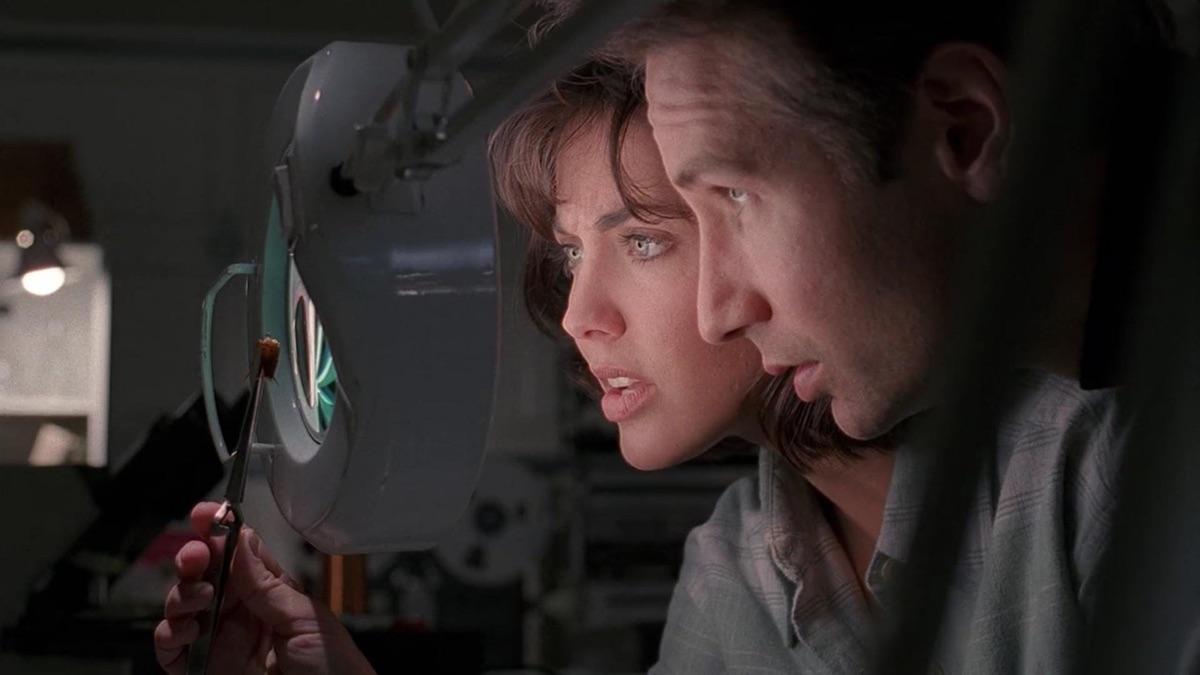
A quiet Massachusetts town is suddenly gripped by panic after a series of deaths apparently involving cockroaches. Mulder arrives to investigate, and before long, theories involving everything from biological warfare to extraterrestrial insects begin circulating. Meanwhile, Scully spends much of the episode trying to explain the increasingly ridiculous situation over the telephone.
I have a particular fondness for this episode because it captures the absurdity of mass hysteria so perfectly. The more people believe something terrifying is happening, the more terrifying everything becomes. The writing is wonderfully playful, the exchanges between Mulder and Scully are hilarious, and the episode never quite lets you forget that human imagination can be every bit as dangerous as the things we’re afraid of. And yes, there’s something wonderfully silly about a television show making cockroaches both frightening and funny.
Monsters Are People Too (Unfortunately)
Not every monster needs fangs, claws, or an extraterrestrial origin. Sometimes the most disturbing creatures in The X-Files are human beings or at least people whose behavior forces us to question what being human really means.
These two episodes approach that idea from very different directions. One is a relentless descent into rural horror, while the other explores what happens when a deeply troubled young man suddenly acquires extraordinary abilities. In both cases, the supernatural isn’t necessarily the most frightening part of the story. It’s what people are capable of doing with or without it.
Home
Season 4, Episode 2
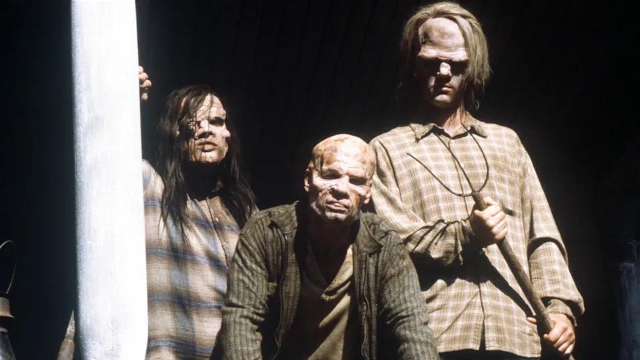
When the discovery of a murdered infant brings Mulder and Scully to a quiet Pennsylvania town, their investigation leads them to an isolated farmhouse occupied by the Peacock family. What follows is one of the most disturbing stories the series ever produced, and one that owes far more to films like The Texas Chain Saw Massacre than to traditional science fiction.
I love Home precisely because it refuses to soften its horror. There’s no comforting scientific explanation, no misunderstood alien creature, and very little of the show’s usual humor to provide relief. The atmosphere is oppressive, the family is unforgettable, and the contrast between the idyllic rural setting and what happens behind closed doors makes everything worse. It’s an episode that feels genuinely dangerous, even on repeat viewings. If you’re looking for an X-Files episode that belongs in a Halloween horror marathon, this is probably the most obvious choice on my list.
D.P.O.
Season 3, Episode 3
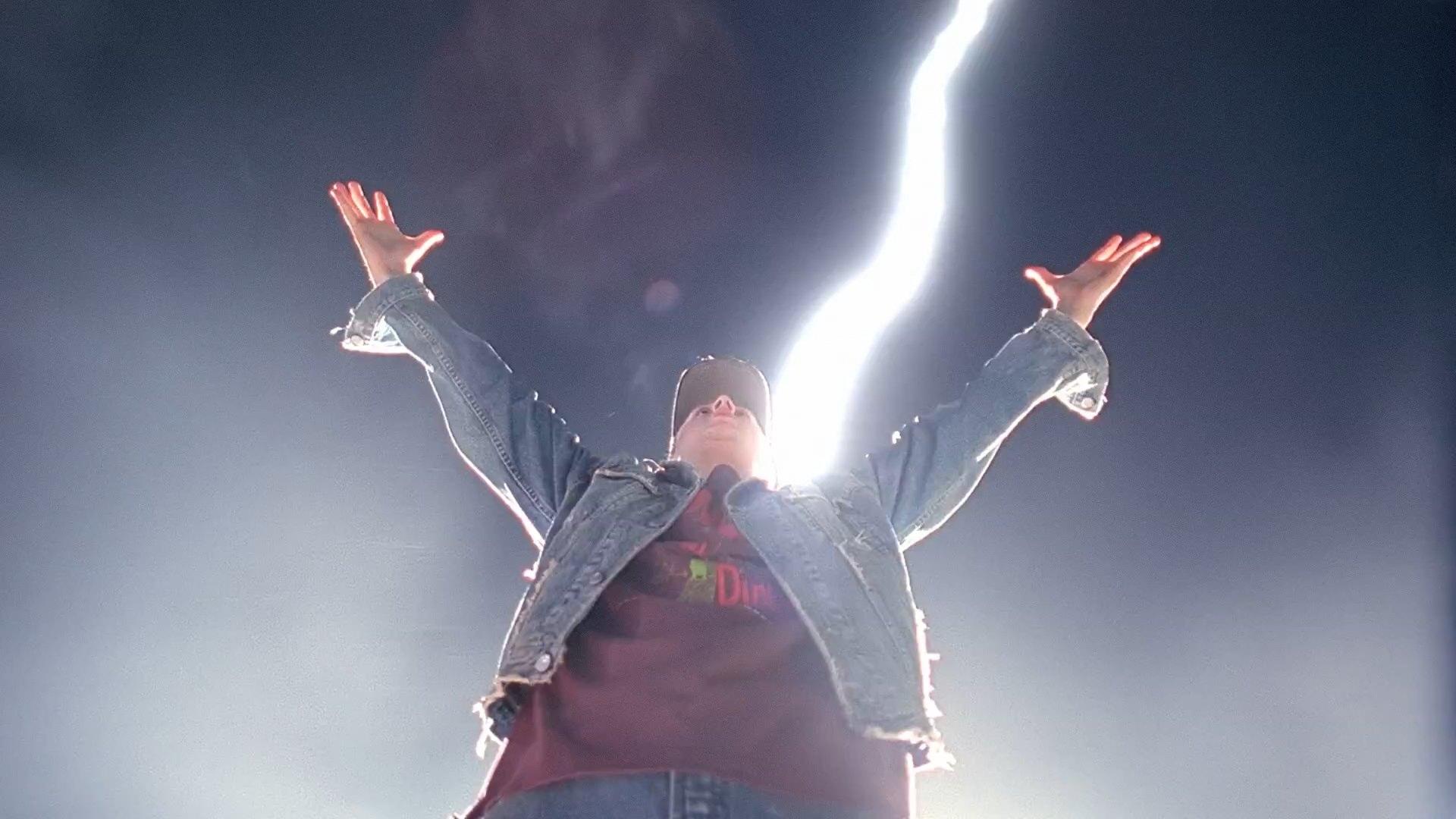
Darin Peter Oswald is a socially awkward young man working in an auto repair shop who develops an extraordinary relationship with electricity after surviving a lightning strike. Unfortunately, having the ability to manipulate electrical currents doesn’t suddenly make him emotionally mature. His obsession with a married woman becomes increasingly dangerous as he discovers just how much power he possesses.
There’s something about D.P.O. that I’ve always found fascinating. Giovanni Ribisi is terrific as Darin, managing to make him simultaneously pathetic, unsettling, and terrifying. A young Jack Black is also wonderfully memorable as his friend Zero. I love the episode’s grimy, small-town atmosphere, its arcade culture, and the way it explores the idea that extraordinary abilities don’t necessarily make someone extraordinary as a person. Sometimes they simply make an already dangerous individual much more dangerous.
Small Towns, Big Secrets
If there’s one lesson The X-Files taught us, it’s that you should probably think twice before stopping in a picturesque little American town where everyone knows everyone else. Especially if the locals seem unusually friendly, strangely secretive, or a little too enthusiastic about their traditions.
Both of these episodes explore communities where something deeply disturbing is hidden beneath the surface of everyday life. They also share one of my favorite recurring ideas in the series: the obvious explanation is often a distraction from something far more sinister. Sometimes the real conspiracy isn’t extraterrestrial at all. It’s the people living next door.
Our Town
Season 2, Episode 24
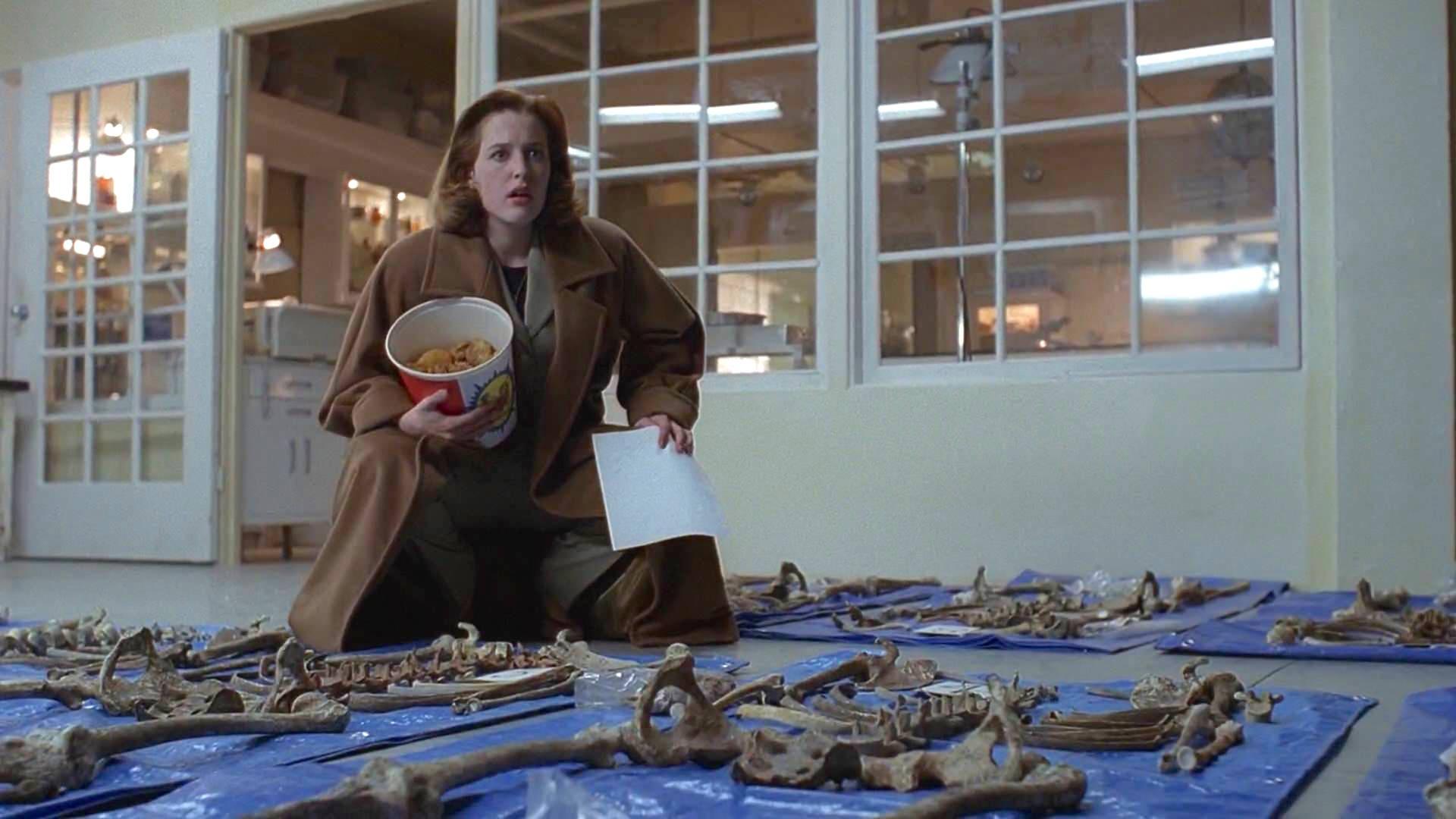
In the small town of Dudley, Arkansas, a chicken-processing plant dominates the local economy, and several mysterious disappearances have attracted the FBI’s attention. The residents seem to share an unusually strong sense of community, although their local customs are perhaps a little more traditional than anyone might expect.
I’ve always enjoyed stories about isolated communities with bizarre customs and secrets that outsiders aren’t supposed to discover. Our Town delivers that premise beautifully. The episode has a wonderfully uncomfortable atmosphere, gradually revealing that the town’s wholesome appearance conceals something grotesque. I also love how it draws on familiar folk-horror ideas without abandoning the investigative structure that makes The X-Files work. By the end, the most disturbing thing isn’t simply what the townspeople are doing, but how completely normal they’ve convinced themselves it is.
Red Museum
Season 2, Episode 10
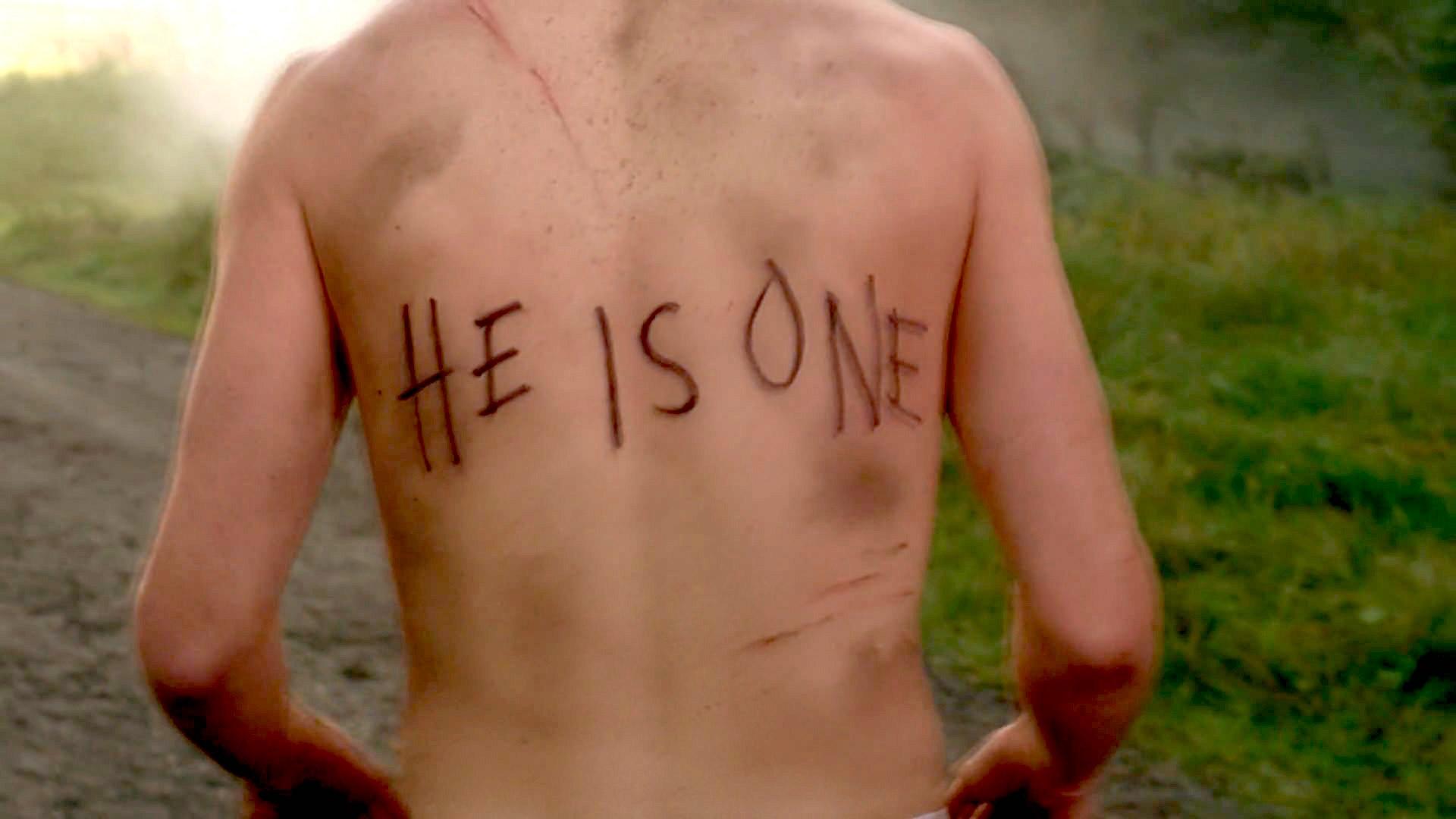
Teenagers in a rural Wisconsin community begin disappearing, only to return confused, partially undressed, and bearing strange messages written on their bodies. Naturally, rumors of alien abductions begin circulating. But there’s also a peculiar religious group living nearby, and the more Mulder and Scully investigate, the more complicated the situation becomes.
Red Museum is particularly memorable to me because it plays with the expectation that unexplained events must have extraterrestrial origins. What initially resembles a classic alien-abduction mystery gradually exposes something much more human and deliberate. I love the combination of strange religious beliefs, suspicious townspeople, secret experimentation, and the constant uncertainty about who’s responsible for what. Although the episode has connections to the larger mythology, it works beautifully as a disturbing mystery in its own right. It’s also a reminder that sometimes aliens get blamed for things human beings are perfectly capable of doing themselves.
Something Wicked This Way Comes
Satanic rituals, astrological alignments, teenage cruelty, and small towns where everyone seems to be hiding something. If that doesn’t sound like Halloween, I don’t know what does.
What I particularly enjoy about these episodes is the way they combine genuinely supernatural events with the absurdity of human behavior. Both involve communities where superstition, fear, and social hypocrisy create the perfect environment for something sinister to flourish. They’re also wonderfully mischievous stories, suggesting that the forces of darkness might have a rather twisted sense of humor.
Die Hand Die Verletzt
Season 2, Episode 14
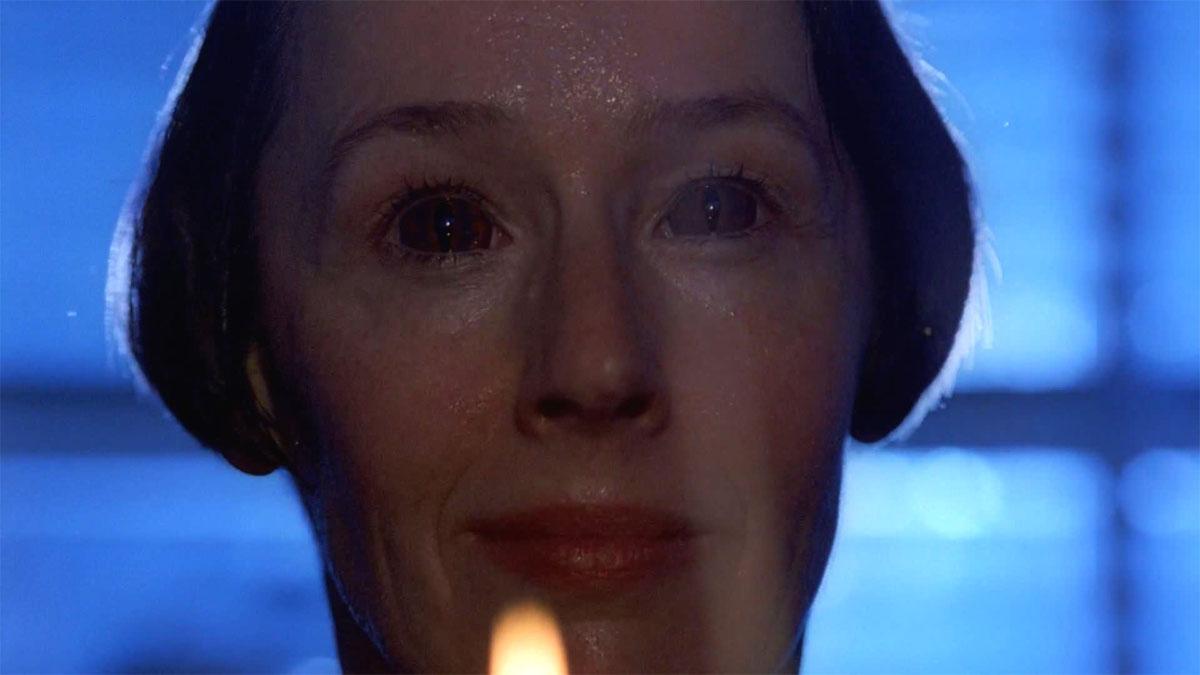
A group of teenagers experimenting with an occult ritual in the woods inadvertently attracts something far more dangerous than they bargained for. Soon afterward, strange and increasingly disturbing events begin occurring at their high school, particularly following the arrival of a mysterious substitute teacher.
This is one of my absolute favorites because it combines so many things I love about supernatural horror: occult rituals, secret societies, religious hypocrisy, and the possibility that something genuinely evil is hiding in plain sight. Mrs. Paddock is an especially wonderful creation, and the episode balances disturbing imagery with an almost wickedly playful attitude toward its characters. There’s something deeply satisfying about watching people who treat the occult as a harmless social club discover that they might not be the ones in control. And that ending is just perfect.
Syzygy
Season 3, Episode 13
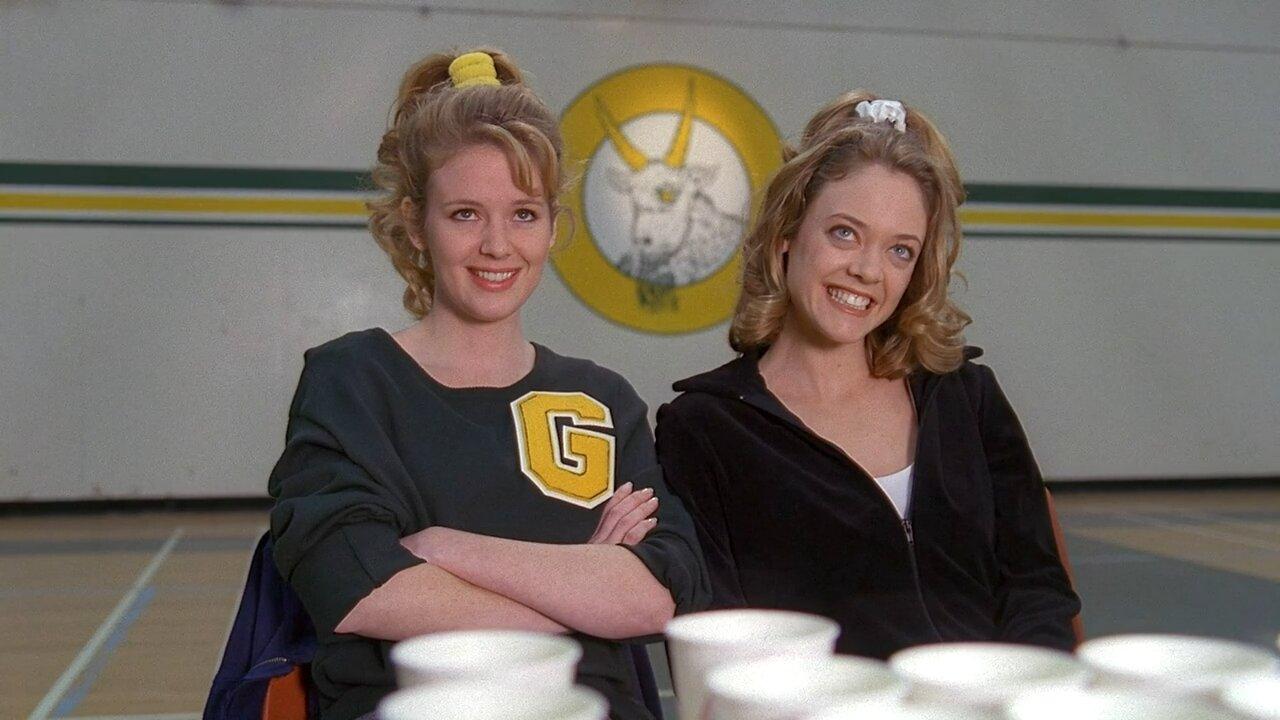
Two teenage girls in a small New Hampshire town become the center of a series of bizarre deaths and supernatural occurrences. An unusual planetary alignment appears to be involved, but the investigation is complicated by rampant rumors, teenage jealousy, and the increasingly strained relationship between Mulder and Scully.
What makes Syzygy so entertaining is its sheer willingness to be ridiculous. The two girls are wonderfully malicious, the townspeople are almost comically hysterical, and Mulder and Scully spend much of the episode behaving like irritated versions of themselves. I love how it mixes teenage angst with supernatural horror, as though someone decided to combine a high-school dark comedy with an occult mystery. It’s not trying to be the most frightening episode of The X-Files. It’s having far too much fun being strange.
The Truth Is Stranger Than Fiction
Perhaps one of the most unsettling ideas explored in The X-Files is that the truth isn’t simply difficult to uncover it can be deliberately manufactured, manipulated, or buried beneath competing versions of reality.
What happens when you can no longer trust what you see, what you remember, or even what you believe? And what if the people controlling the narrative aren’t extraterrestrials, but ordinary human beings with their own agendas?
These two episodes approach that question from very different directions yet both remind us that sometimes the greatest mystery isn’t what actually happened, but whether we’ll ever be allowed or even able to know.
Wetwired
Season 3, Episode 23
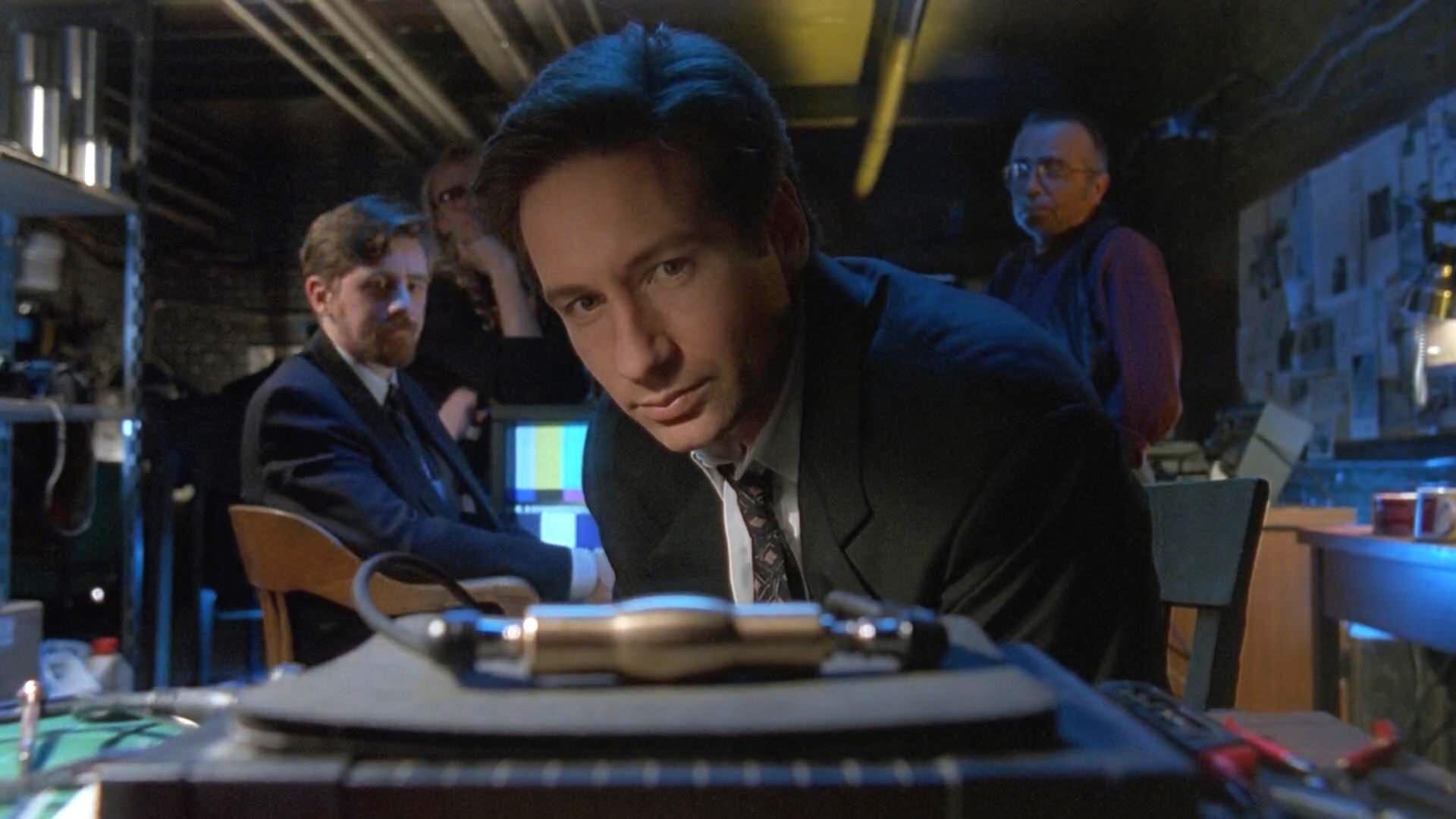
A series of seemingly inexplicable murders leads Mulder and Scully to investigate ordinary people who suddenly become convinced that those around them pose a deadly threat. The victims and perpetrators have little in common, except for an unusual connection to their television sets. As the investigation unfolds, it becomes apparent that something is interfering with how people perceive reality, transforming familiar faces into terrifying enemies.
I’ve always had a particular fondness for Wetwired because its premise is both wonderfully paranoid and terrifyingly realistic. The idea that watching television could be used to manipulate our perceptions and turn us against one another is frightening precisely because it doesn’t require monsters or aliens. There’s also something deliciously ironic about a television show warning us that television might be manipulating what we believe.
Jose Chung’s From Outer Space
Season 3, Episode 20
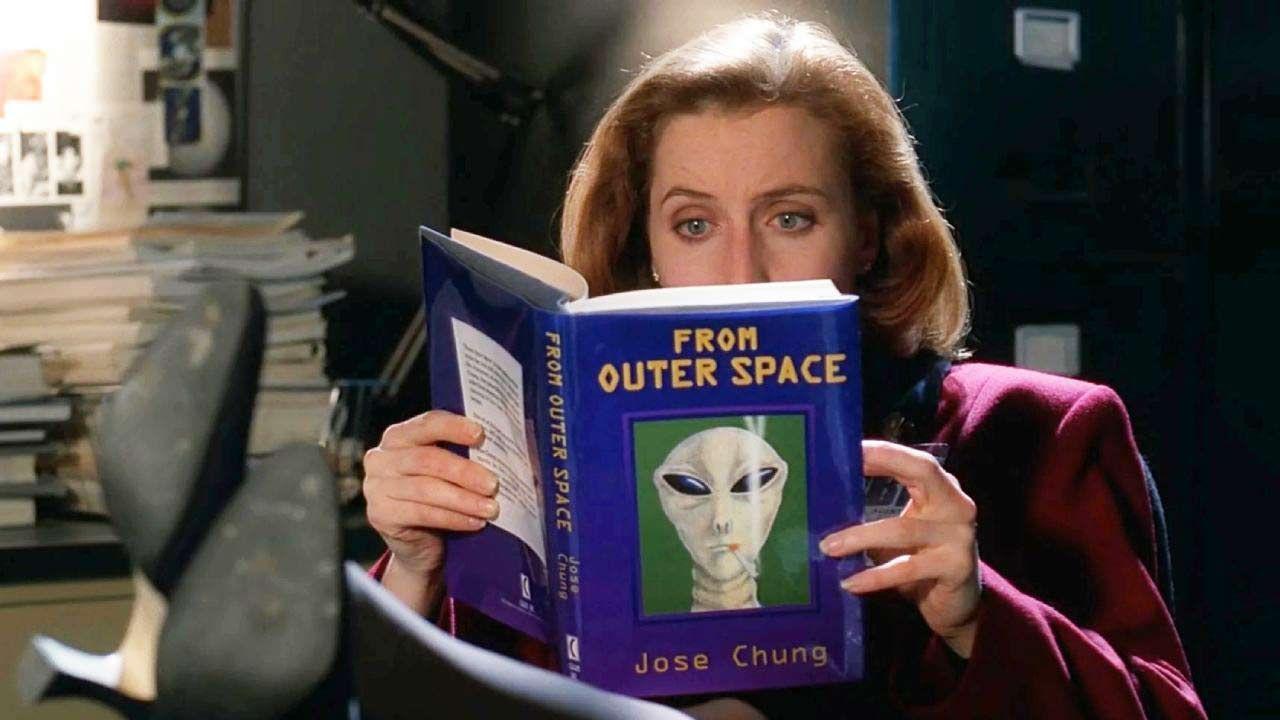
A famous author investigating an alleged alien abduction interviews several people who were involved in the incident. Unfortunately, no two witnesses seem to agree on what actually happened. As their increasingly contradictory stories unfold, the investigation becomes a wonderfully bizarre collection of alien encounters, government agents, missing memories, and some of the strangest characters ever to appear on the show.
Jose Chung’s From Outer Space is everything I love about the series condensed into a single story. It’s intelligent, absurd, occasionally creepy, and absolutely hilarious. I love how it constantly undermines our expectations, how every character seems convinced that their version of events is the correct one, and how even the most ridiculous explanations occasionally contain a grain of truth.
The Truth Is Still Out There
Looking back at these ten episodes, what strikes me most is just how versatile The X-Files could be. Few television series could move so effortlessly between grotesque horror, supernatural mystery, science fiction, satire, and outright comedy without losing their identity.
I still enjoy the alien mythology, the conspiracies, and the larger story surrounding Mulder and Scully. But it’s these smaller, stranger investigations that have stayed with me the most. The towns with terrible secrets. The people who aren’t quite what they seem. The inexplicable events that turn out to have very human explanations and the perfectly ordinary situations that turn out to be anything but.
That’s what makes these episodes such wonderful Halloween viewing.
They remind us that the world can be frightening, absurd, mysterious, and occasionally hilarious, sometimes all at once.
